SOUS ZÉRO EVENT - Learn more
Logo
Contribute

Testimony by Marie-Eve Thériault

Human Resources Advisor
Beneficiary of the Garde tes cheveux au Nord de Lanaudière program at Joliette Hospital. , Weekly Taxol-Carbo (12 treatments), then 4 AC every 3 weeks, with Pembro every 3 weeks
2025

Photo
The success of the method is not simply about keeping your hair as it was before: it is also, and above all, about maintaining a normal life during treatment.
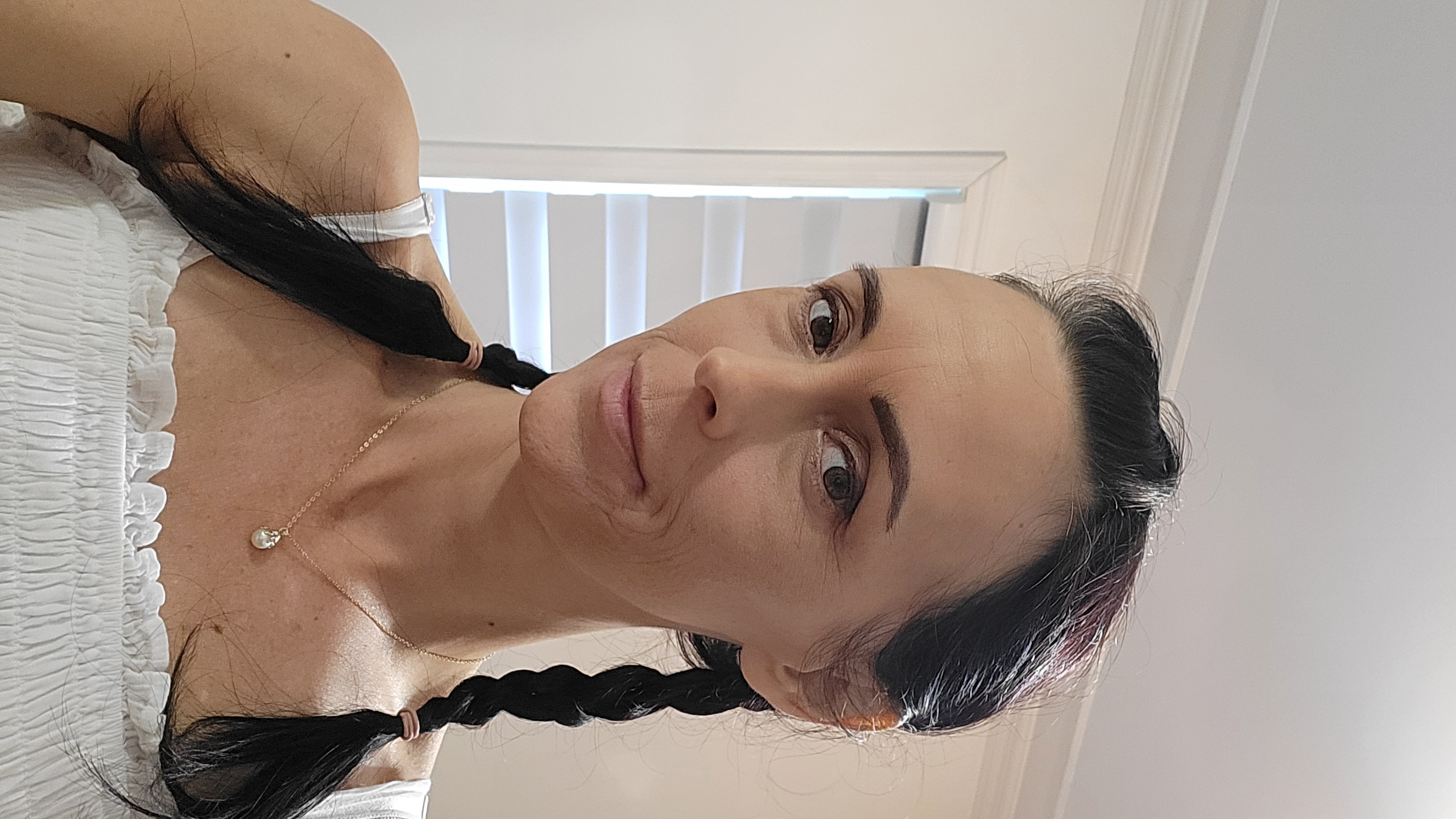
Before
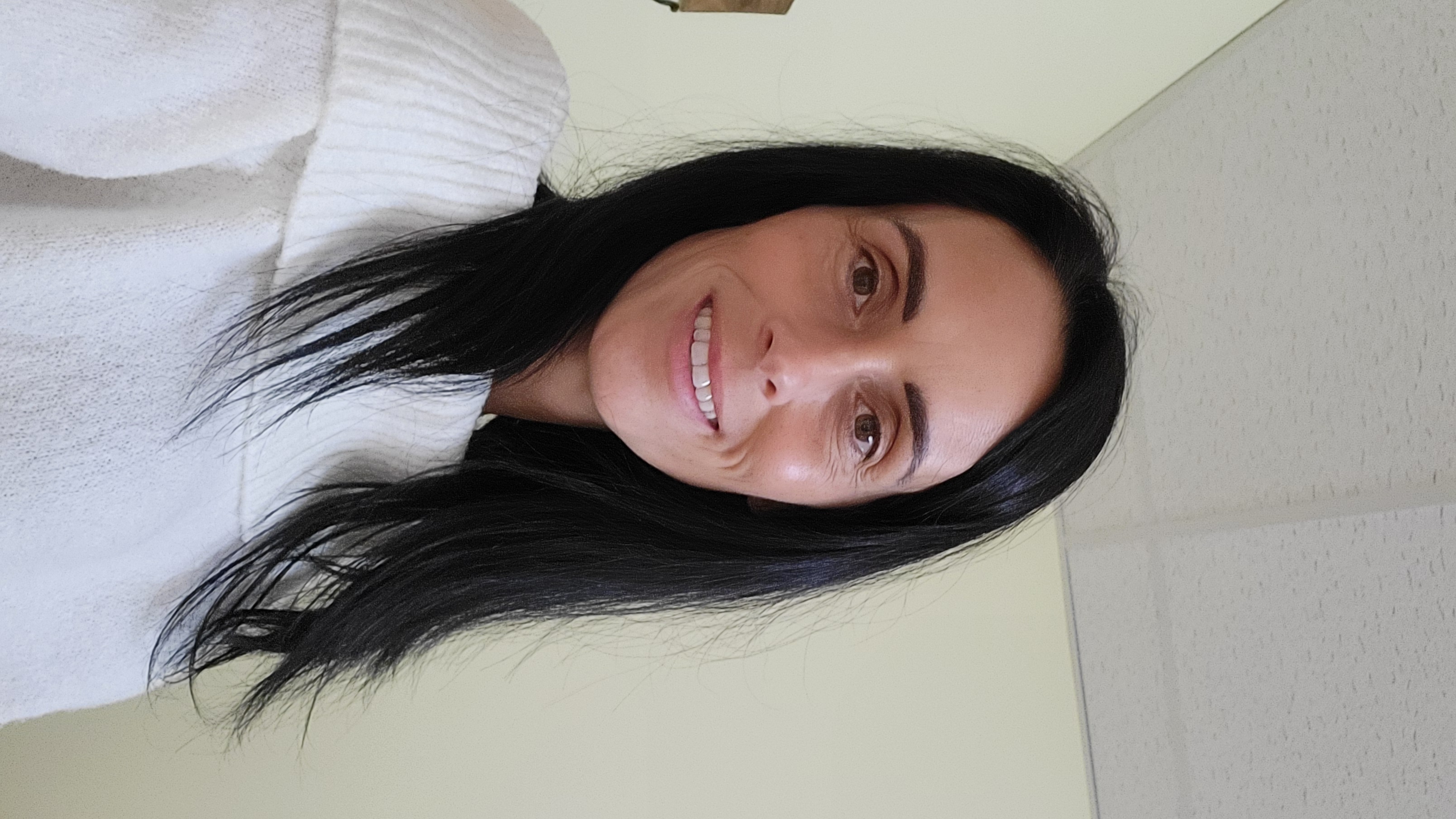
Photo avant
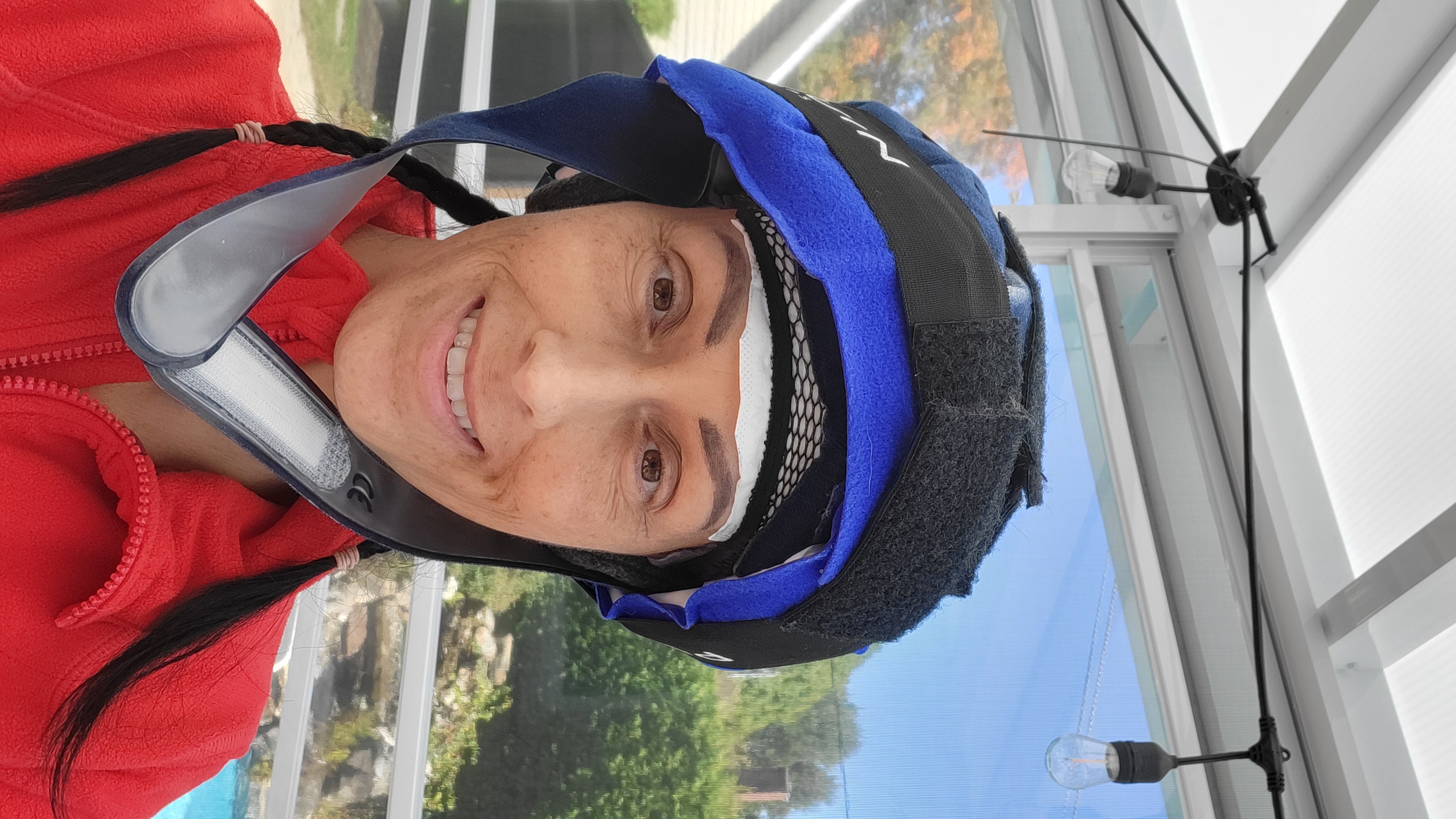
During
Photo pendant
Photo pendant
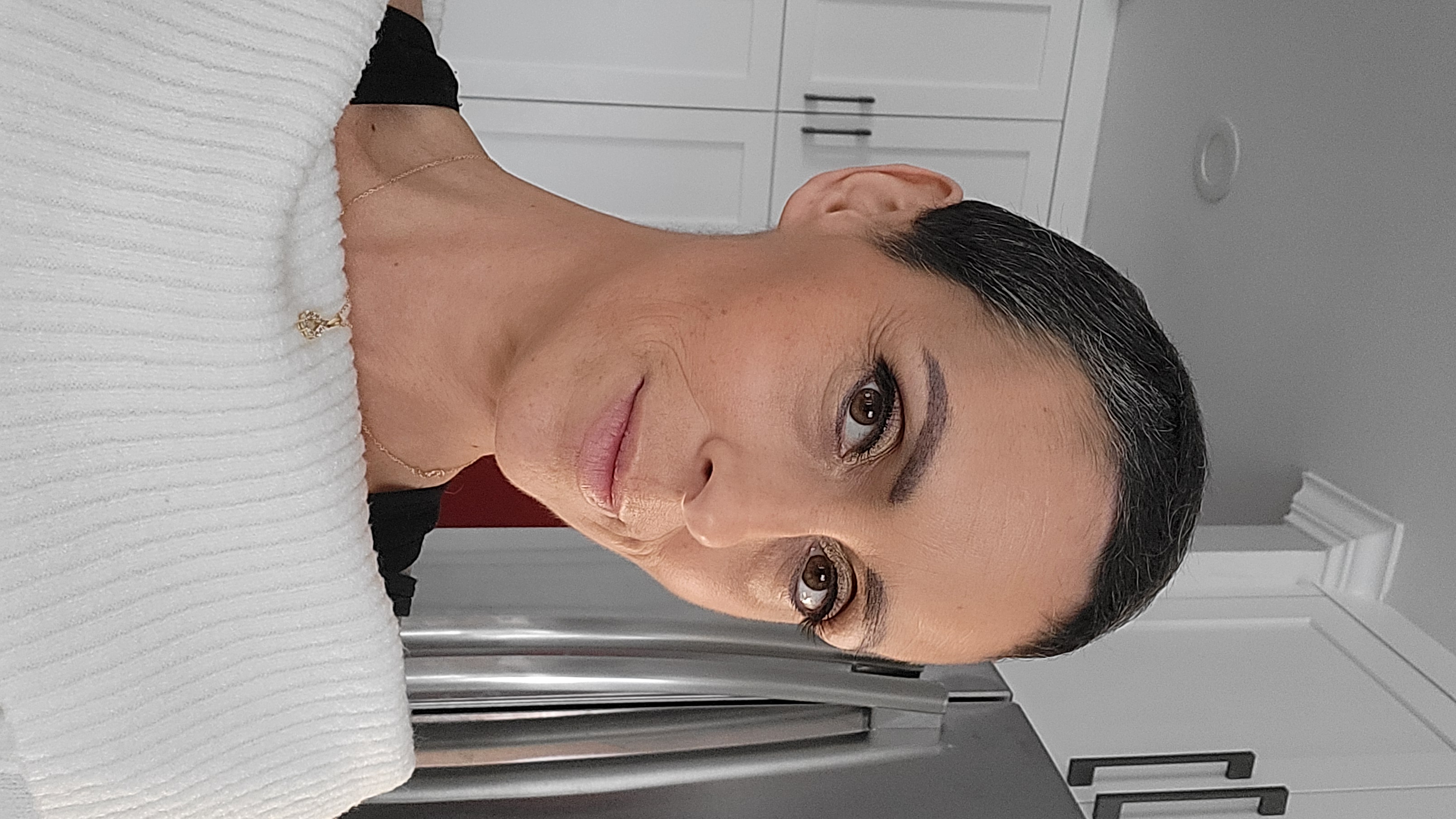
After
Photo apres
I absolutely do not regret my decision to use cold caps. When I learned that I had breast cancer, I had already heard about the method during a radio interview with [https://www.linkedin.com/in/sophiereis/](Sophie Reis). I never imagined I would one day need to use it! When I found out that my hospital was the only one in Canada covering the rental cost of the caps, I took it as a sign that this was meant for me. In that overwhelming whirlwind where you feel powerless, trying to keep my hair became a mission. Sixteen days in total, but in reality, it was much more than that. There was, of course, the treatment days with the caps, but also the day before, when I had to drive 50 minutes from home to pick up dry ice. There were the hair care routines, the cold-water washes, wearing the cap on scorching summer days. All of this kept my husband and me busy, and surprisingly, it became a reassuring routine. We felt that we could do something rather than simply endure. I lost a lot of hair. During the Taxol-Carbo treatments, starting around week six, it was impressive how much fell out with every brushing and wash. I kept my hair in two braids to prevent tangling, but also so I wouldn’t feel it falling down my back and onto my arms. It was stressful, yes, but far less emotionally difficult for me than having to shave my head. Despite the significant hair loss, when I looked in the mirror, I was still myself with my long hair, and no one could tell I was undergoing treatment. In a way, this also helped reduce the impact of chemotherapy’s side effects for me. I once heard a nurse explain to another patient that the caps “only” slow down hair loss. It was a very discouraging message: “So much effort for so little!” That was partly true in my case. But what she didn’t say is that slowing down the hair loss allowed time for new hair to grow. Honestly, that is what helped me maintain my morale and gave me the energy to stay active throughout treatment. From reading other testimonials, I knew the AC treatments would be difficult for my hair. Even so, I never saw the top of my scalp, even though 90% of my hair fell out. What I didn’t realize was that new hair was growing while the long strands were falling! After my surgery, about one month after finishing chemotherapy, I decided to get a haircut to shape my beautiful regrowth and to clear my scalp of the buildup caused by all the partial washes I had done. I can say that I largely accomplished my mission: I kept my hair throughout my chemotherapy treatments and never had to see myself with a bald head, which for me is synonymous with illness. Unlike other testimonials, I did not keep my long hair. However, for me, the success of the method is not simply about keeping your hair as before: it is also, and most importantly, about maintaining a normal life during treatment.

Marie-Eve Thériault benefited from the Garde tes cheveux support program, which allows patients at Joliette Hospital to use the scalp cooling method at no cost. Since January 1, 2026, dry ice has also been included in the program and delivered directly to the beneficiary’s home. To learn more, visit [https://gardetescheveux.org/en/fonds-singles/programme-de-soutien-gtc-au-nord-de-lanaudiere/](our website).

icon

Have you used scalp cooling caps and want to share your experience to inspire others?